Material
Giza 94
A cotton born in near-desert land, made extraordinary by the water of the Nile.
2026
Giza 94 cotton plants in an Egyptian field
The Nile, whose water makes the near-desert land fertile

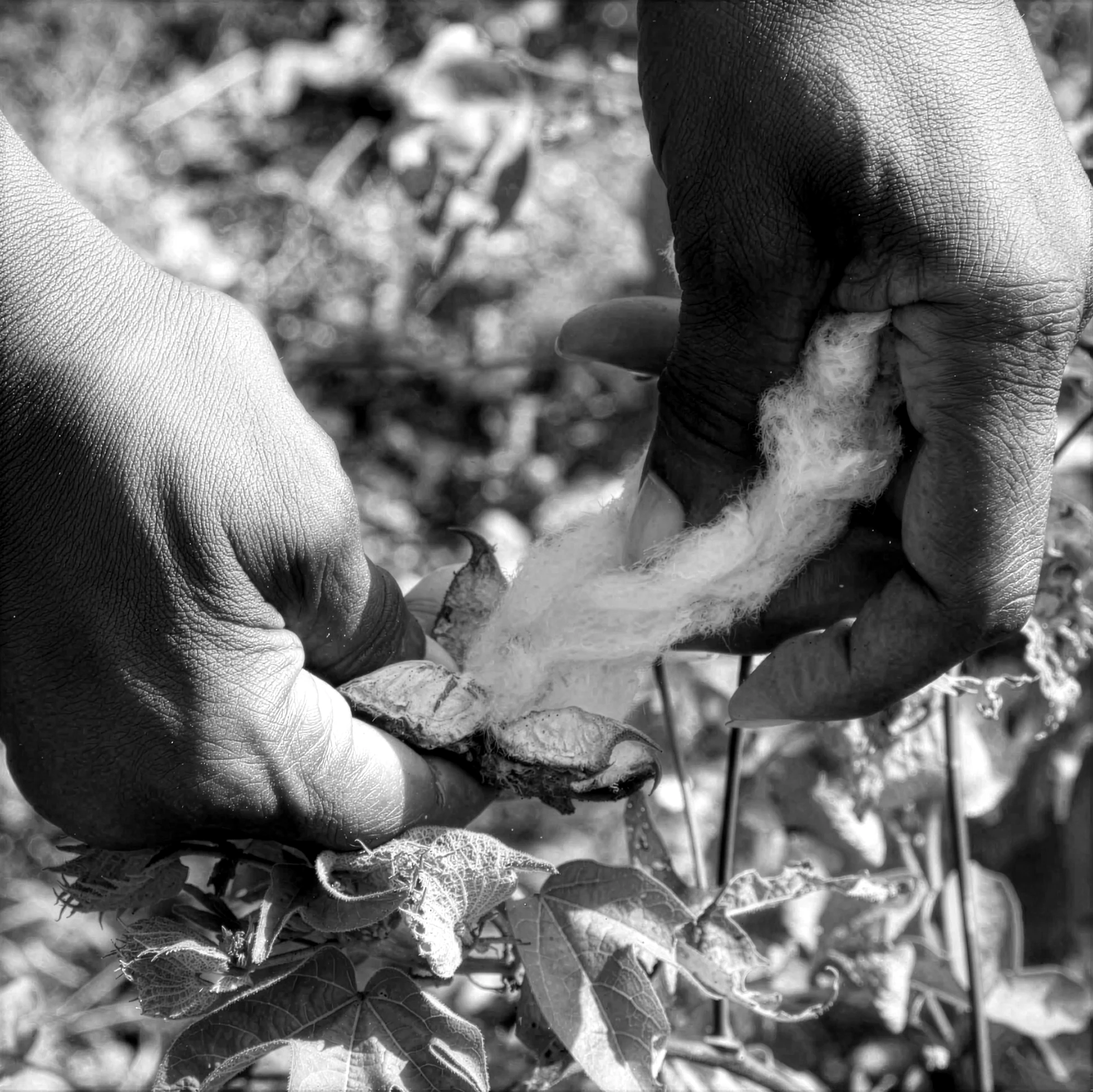
Egyptian Mako cotton begins along the banks of the Nile, where a particular meeting of climate, light and river-fed soil produces a fibre unlike any grown elsewhere. The land reads as near-desert; the river makes it fertile. From that contradiction comes a cotton prized for the length and evenness of its staple, the quality on which everything else depends.

EGYPT, 1820

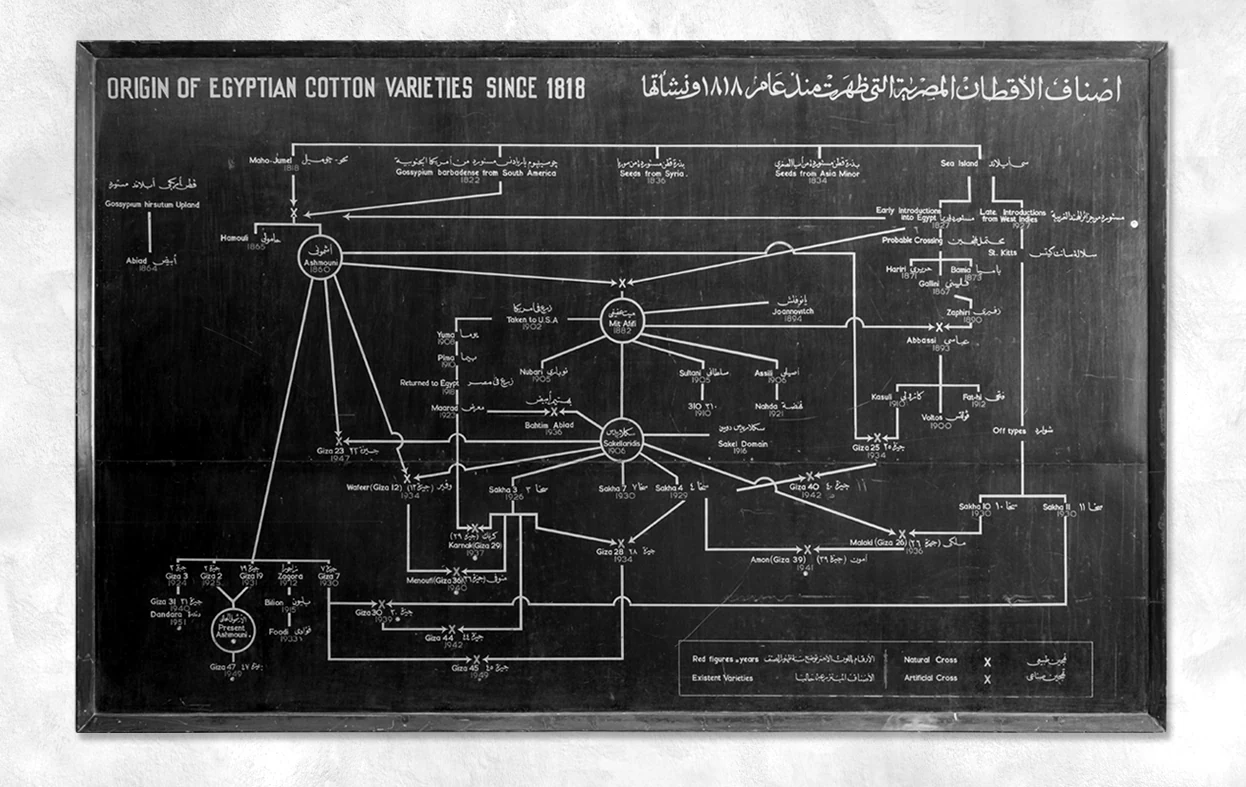
In Cairo, a French textile engineer named Louis Alexis Jumel noticed in a private garden a cotton plant unlike the rest, more upright, more lustrous in the hand. The first bales left Egypt in 1820, and the variety he recognised began a lineage that would carry the name of Egyptian cotton far beyond its fields.

Giza 94 is one expression of that lineage, a cultivar valued for the uniformity of its fibre and its behaviour in the finest spinning. Long, regular staple draws into a fine, compact, even yarn, and the cloth that follows carries the quality forward.

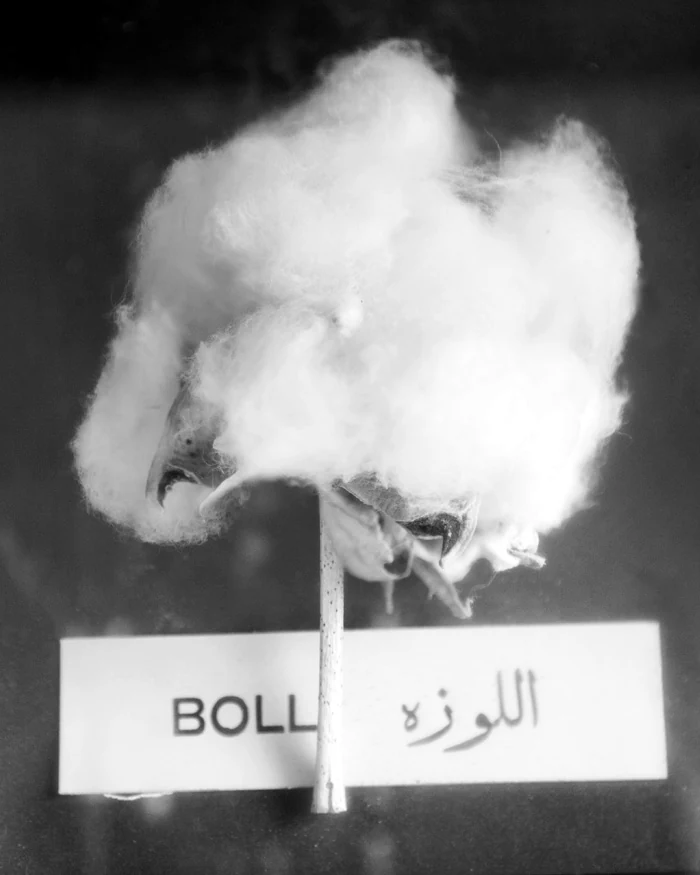
Open boll of Giza 94 Egyptian Mako cotton
White cloth woven from Giza 94 cotton, drape in close-up

On the skin, that fineness becomes a silky hand, a natural sheen that needs no finishing, and a coolness that stays fresh through a warm night. The same structure makes the cloth durable and breathable, gentle to the touch, and able to keep its surface through repeated washing.

Egyptian cotton earned its name in the spinning. Giza 94 carries that inheritance with a contemporary spirit: pure, quiet, and felt at first touch.

More from the Journal
Beltrami stand at Salone del Mobile 2026, Milan
Culture
Milan, 2026
Engraved portrait of Baldassare Castiglione, who named sprezzatura in 1528
Craft
Sprezzatura
A hand reading the surface of a Beltrami cloth
Material
The hand