Craft
Sprezzatura
In 1528 a courtier named the art of making the difficult look easy. Five centuries on, it is still the quietest sign of something beautifully made.
2026
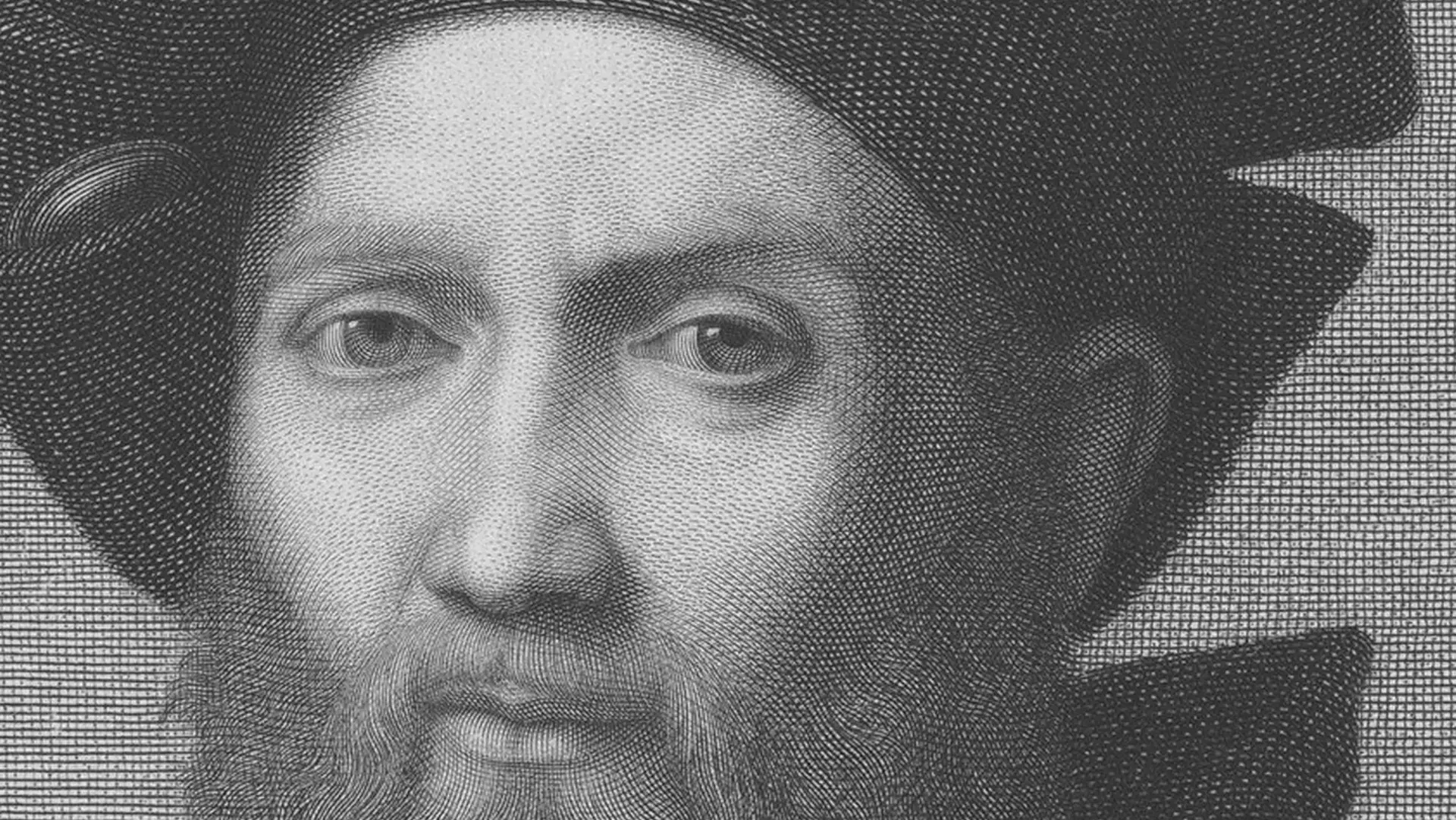
Engraved portrait of Baldassare Castiglione, who named sprezzatura in 1528
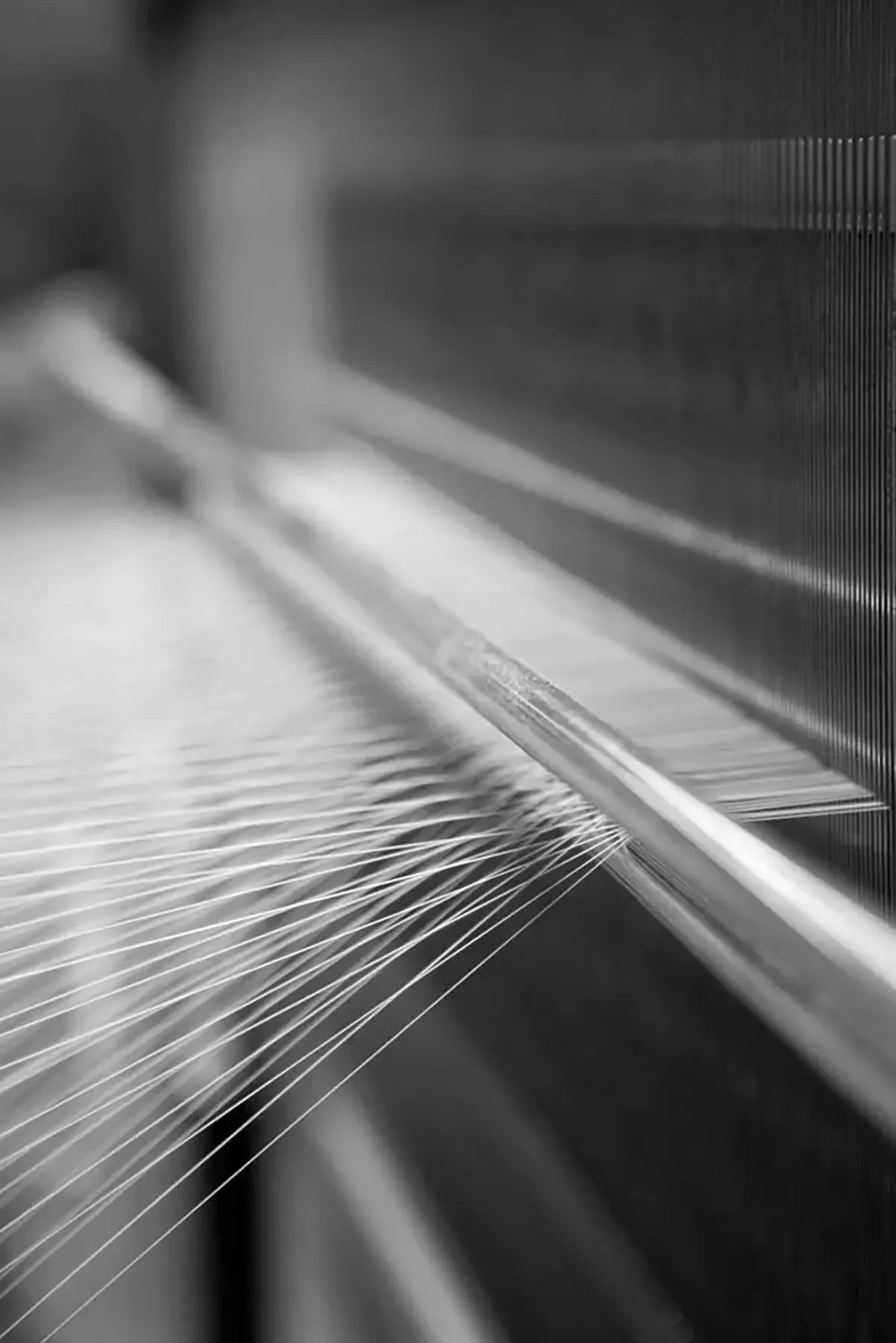
Warp threads on the loom, the work behind the ease
1528

In Il Cortegiano, Baldassare Castiglione called it sprezzatura: the grace to carry the hardest thing as though it cost nothing. His ideal courtier rode, spoke, and wrote with an ease that hid years of practice. What looked effortless was effort, worked out of sight.

The idea outlived the court. We still warm to whatever shows no strain, the sentence that falls just right, the room that feels calm without telling you how. Real ease arrives last, once the work has gone quiet.
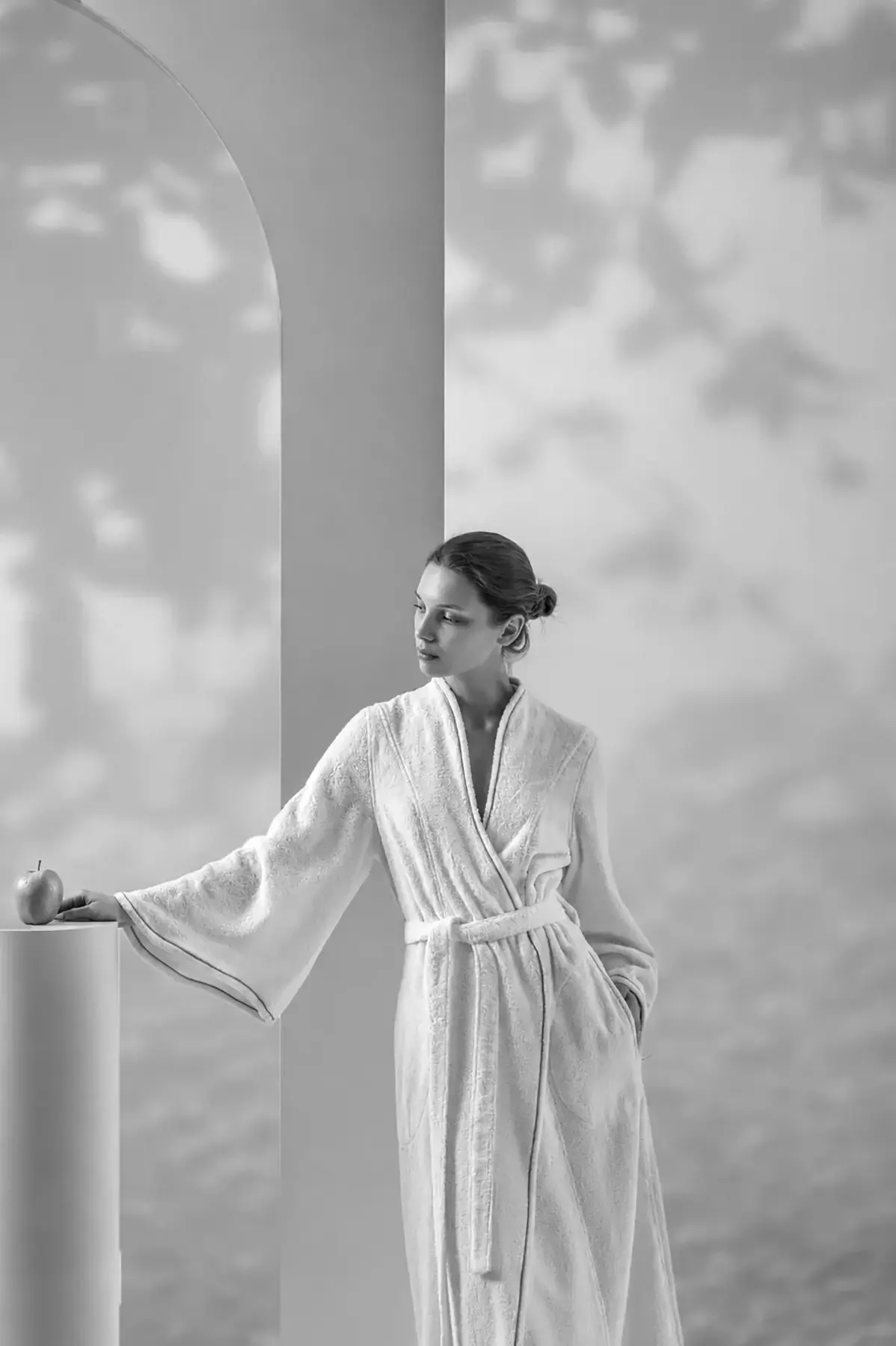
Beltrami robe worn with ease
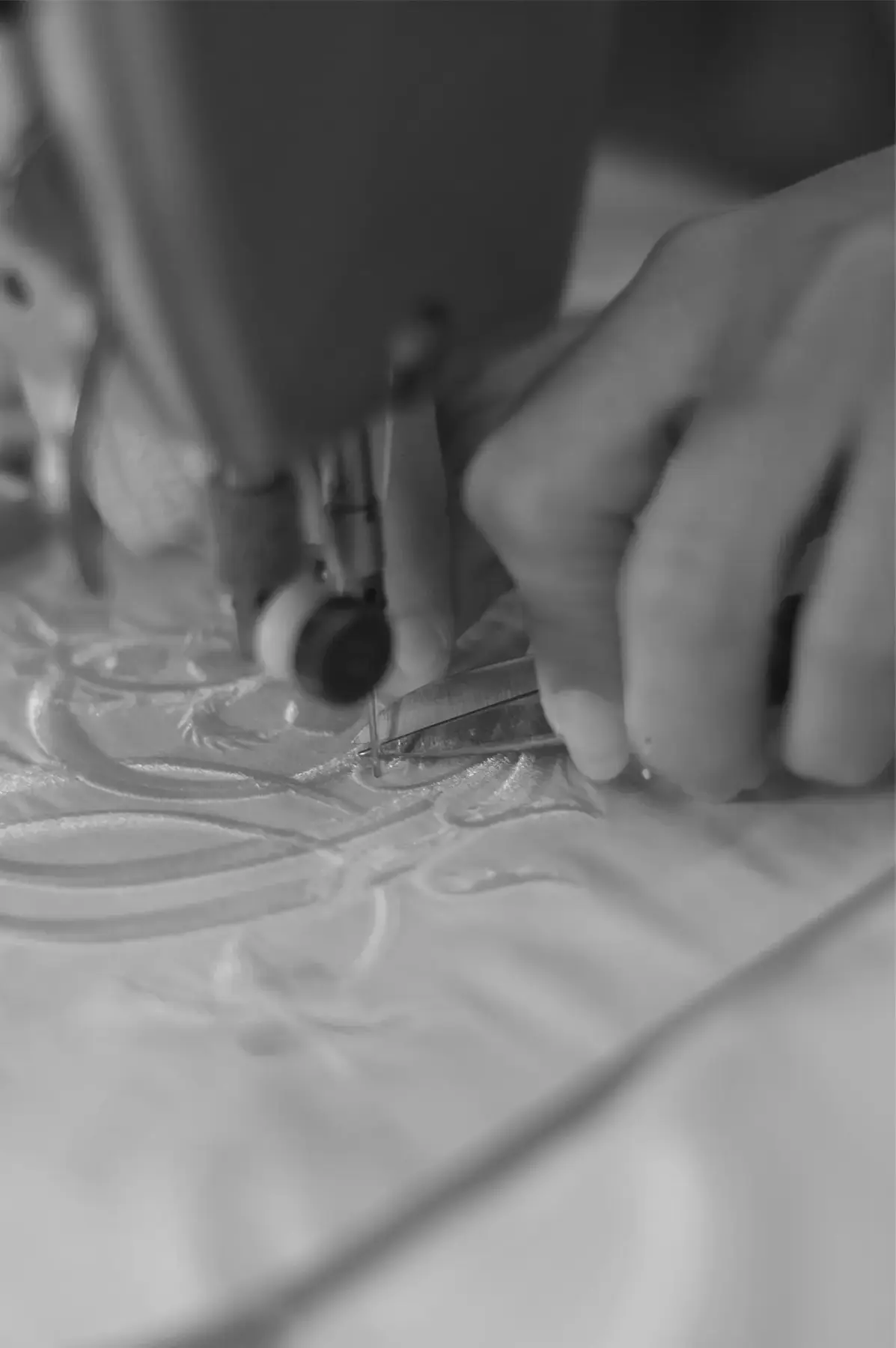
Hands finishing a Beltrami textile
Cloth keeps the same secret. A sheet that falls beautifully, a hem that lies flat, a weave that holds through years of washing, none of it is luck. The drape that feels inevitable was decided far upstream: the fibre, the spin of the yarn, the finish judged by hand until it stops asking to be noticed.

This is what Beltrami works toward. Cloth you notice only by touch, and even then softly. The labour is real. You should simply never have to feel it. Sprezzatura was always discipline dressed as ease, and so is comfort: difficulty resolved so gently that all that reaches you is rest.
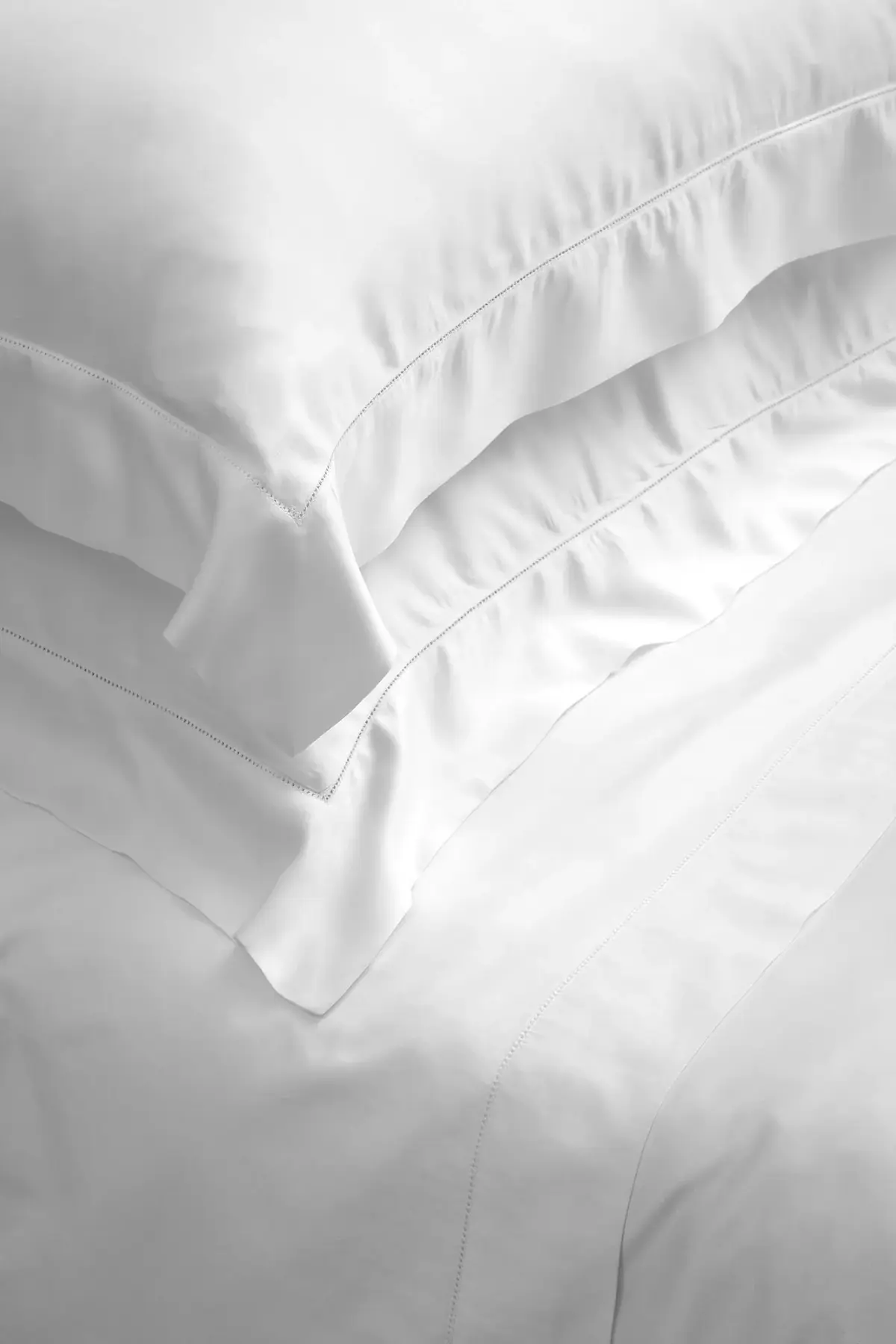
Beltrami pillows resting on a made bed
More from the Journal
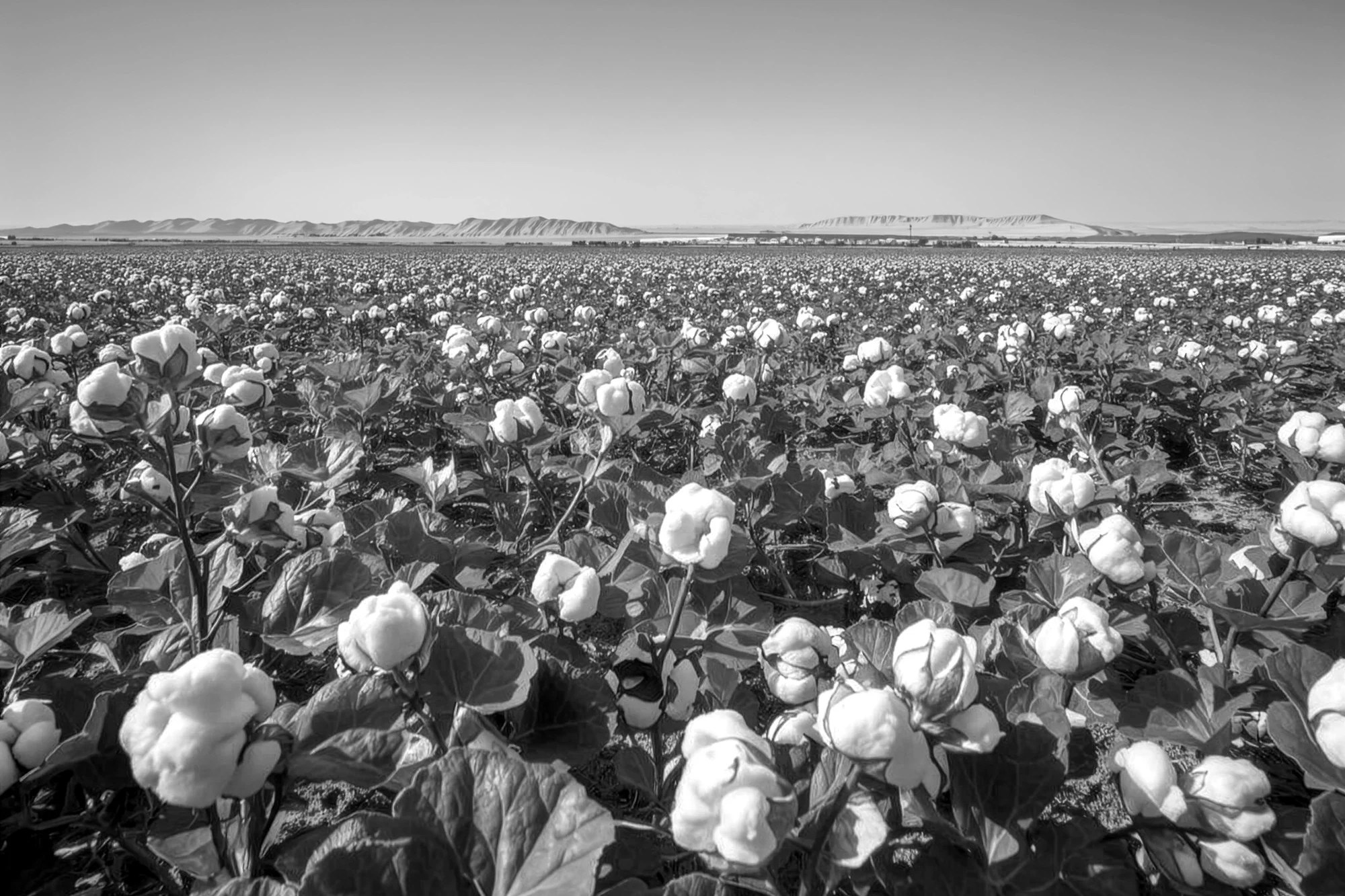
Giza 94 cotton boll opening in the field
Material
Giza 94
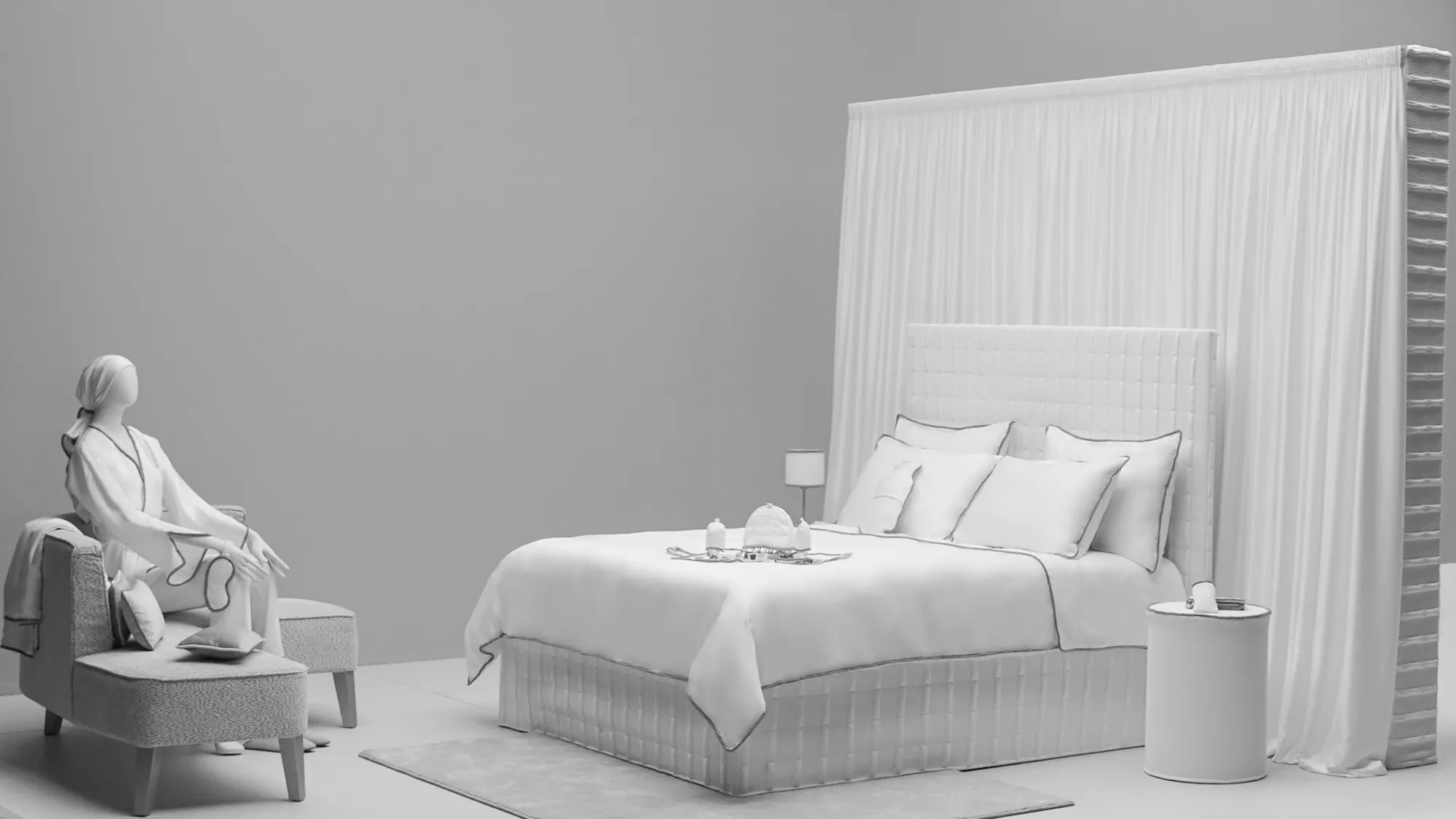
Beltrami stand at Salone del Mobile 2026, Milan
Culture
Milan, 2026
A hand reading the surface of a Beltrami cloth
Material
The hand