Material
The hand

In the textile trade, the word for how a cloth feels is its hand.
The word is literal.

2026
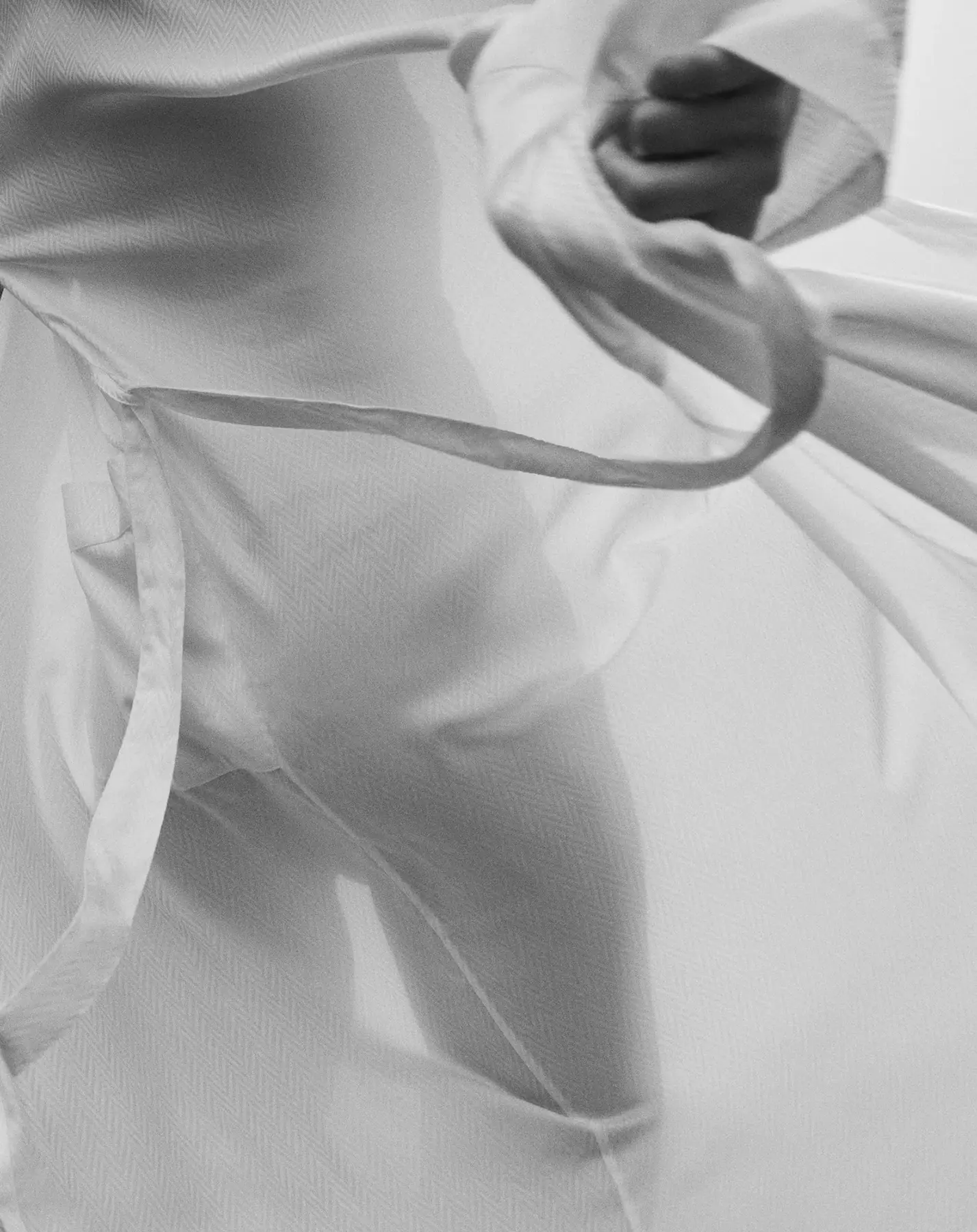
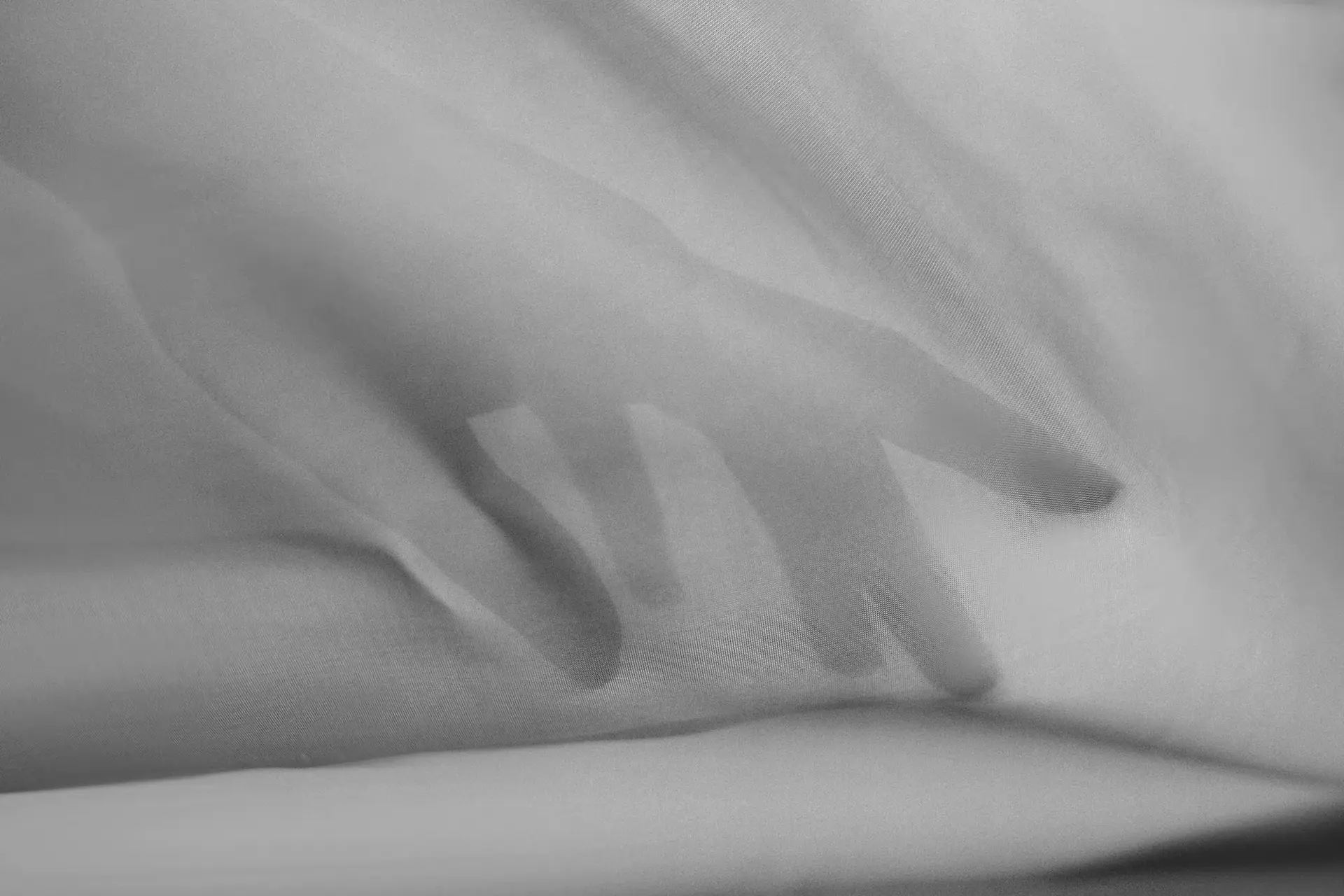
A hand reading the surface of a Beltrami cloth
Fingers gripping a fold of cloth to judge its hand
Before weight, before fibre content, before anything a label records, a cloth is judged by its hand: the way it falls and folds, the coolness it gives, the way it meets the fingers and answers them. Buyers have read cloth this way for as long as cloth has been sold.
Kyoto, 1970s

At Kyoto University, a professor named Sueo Kawabata set out to measure it. His instruments bend a fabric, stretch it, shear it, press it, and register the faint coolness it releases against the skin, over a dozen readings in all, an attempt to put numbers to what a practised hand settles in a moment. The system is still the most exacting in the world.

It works. It also concedes the point. Every reading it takes is calibrated to predict a human verdict, to approximate the hand it can never quite replace. The science is measured against the hand, not the other way around.

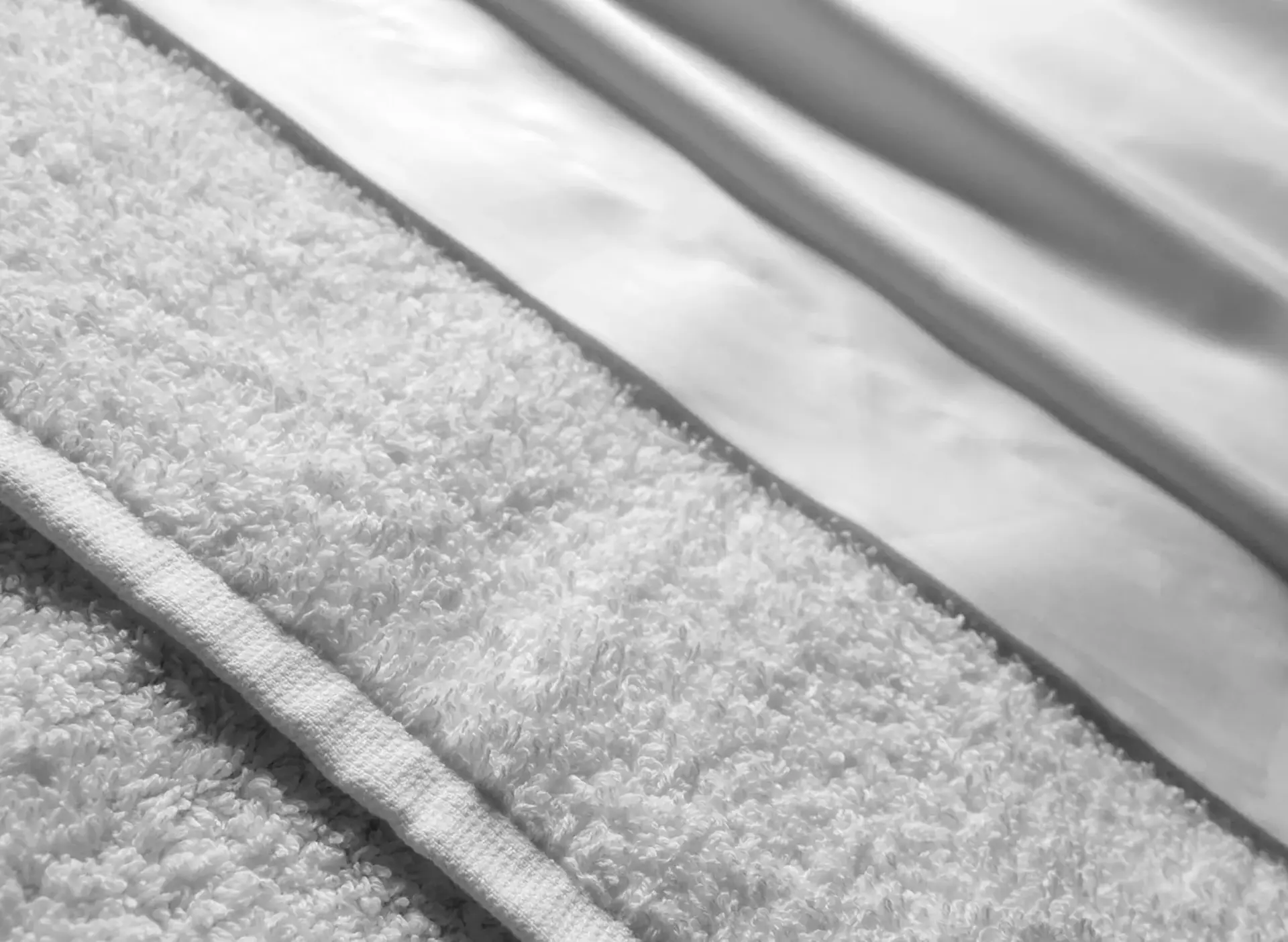
Weave of a Beltrami cloth in close-up
Finish of a Beltrami cloth in close-up

So Beltrami starts where the trade does. The fibre is chosen for how it feels deep into its life, washed and softened by use. The weave is set for a softness that only settles with time. Everything the eye admires later is built to satisfy the fingers first. A cloth can be measured many ways, and it is still the hand that decides.

More from the Journal
Giza 94 cotton boll opening in the field
Material
Giza 94
Beltrami stand at Salone del Mobile 2026, Milan
Culture
Milan, 2026
Engraved portrait of Baldassare Castiglione, who named sprezzatura in 1528
Craft
Sprezzatura